
By Stephen Coertze
Artificial intelligence dominates the conversations of every business, organisation and ministry, as we discuss how to use this rapidly emerging technology ethically and responsibly to improve our work and our lives.
In Christian mission, we need to be asking much deeper questions.
AI’s Quick Arrival
Normally with technological advances, there is a longer buildup to familiarise ourselves with and to respond to the new. Even the internet took a few years for the world to catch on to its potential and, sadly, its dangers. AI, on the other hand, has moved into widespread public use much more quickly. It requires little technical knowledge to use effectively—just ask any student with an assignment due the next day—and it has the potential to upend our lives and society more radically.
Opinions regarding AI are abundant and diverse, ranging from full embrace to full rejection of AI. From sci-fi movies to futurists to tech leaders to preachers, all have jumped into the conversation about AI’s capabilities and its implications on humanity’s future. In workplaces, the most pressing question is more practical: “Will AI replace my job?”
Those conversations are important, to be sure. We in the Wycliffe Global Alliance are certainly having them. AI is being used effectively in Bible translation on many levels. We are learning quickly, and we are getting better at it. But rather than use this space to discuss how AI could or should be used in mission, I would like to look at its underlying missiology. This may, in fact, help inform those other discussions.
In short, missiology is the study of God and people. Its core texts are Scripture and biblical studies, and then every other field of study that impacts humanity. Missiological discussions about AI have been scarce. Our approach in the Alliance is to reflect on theology, anthropology, ethics and the church’s global mission, especially as they relate to Bible translation.
The Missiological Lens
Our missiological premise is that God created humanity to be in relationship with himself. He created humanity in his image. This image that we reflect has been distorted by sin. God is on mission to restore humanity to himself as he purposed us to be. He established his church to participate with him in this mission. There are numerous ways in which the church expresses this mission, such as evangelism, contextualization, cultural engagement, justice and the holistic transformation of societies.
A missiological critique would ask: How does our approach to mission practice, in this case the use of AI, affect the church’s participation in God’s mission? Does it promote or distort the values of the Kingdom of God? How does it influence our portrayal of the image of God? Does it lead to transformation and the dignity of people in every culture?
Theological Anthropology: AI and the Image of God
The vantage point of missiology starts with God creating people in his image. AI, however, blurs traditional boundaries between creator and creation, intellect and algorithm. AI tends to instrumentalize human beings, reducing them to data points and consumers. Whereas, we see all people as image bearers of Christ—relational, incarnational and unique.
In Bible translation, we can easily fall into the trap of merely viewing people as users of a specific language needing a translation of Scripture to communicate with God. In doing so, we could reduce people to data points. We need to guard against the temptations in the use of AI to let efficiency replace empathy, automation replace incarnation, and product replace dignity. We must not confuse speed with being resolute. In mission contexts, the human witness cannot be replaced by algorithms without losing its sacramental nature.
The Mission of God and Hope
Ultimately, the missiological quest is eschatological: the glory of God among the nations, with people restored in the image of God, representing his fullness. When we consider the mission of God and hope, we acknowledge that AI cannot save humanity. AI cannot restore people in the image of God. Salvation is not computational. Neither can AI lead humanity to transformation, a place where God’s creation flourishes in right relationship with God, others and creation.
Yet, AI can serve God and his mission by, for example, alleviating suffering, improving communication, aiding translation of Scripture or modelling stewardship of creation. The church’s role is to discern where AI aligns with God’s purposes, and where it violates it. It should use its prophetic voice to address such.
Contextualization and Cultural Power
To communicate the gospel meaningfully within each culture, missiology values contextualization. It is well recognised that AI tools are riddled with biases. More often than not, they reflect Western, technocratic and often secular assumptions. Thankfully, efforts are in progress to correct biases, misinformation and outright lack of information among AI tools to be used in Christian ministry, including Bible translation. (A good place to learn about and connect with these efforts is the annual Missional AI Conference.) This is a monumental task, but a critically important one.
In the course of church history, missionaries worked hard to rid the gospel of cultural and theological imperialism. If, in the mission context, we use AI tools uncritically, we risk exporting the biases of dominant worldviews that are intertwined with theology and technology. As Bible translation agencies, we have a unique opportunity to influence AI systems with local languages, worldviews and values in mind, so that in using AI tools mission doesn’t replicate colonial hierarchies.
Ecclesiology and Community
Missiology emphasizes community, fellowship (koinonia) and incarnational presence. Technological advances can erode the need for presence. Yes, technology has opened all kinds of opportunities to work and meet differently. There are also downsides to this. Digital churches, mission from a distance and virtual consultancy are all efficient, but they erode embodied community.
The church’s mission involves physical presence among the poor, the marginalized and the suffering. Even though when used thoughtfully, AI may enhance all forms of ministry, AI-mediated connection cannot replace the incarnate solidarity of mission.
Ethics, Justice and the Margins
Inherently, mission cares about God’s justice and preferential care for the oppressed. On the other hand, AI as it exists today perpetuates global inequality. It largely excludes marginalized, indigenous peoples, refugees and those without technological access. These people are once again accentuated as the recipients of the benevolence of others. How often have I heard the statement, “They may not be able to use AI but they will definitely benefit from it.” The church in mission must become a prophetic voice against the idolatry of technological progress when it exploits or dehumanizes. This requires us to be wise in how we use AI in Bible translation.
Conclusion
As with all scientific and technological advancements, AI presents advantages and areas of caution. We need to continuously evaluate and test our practices in light of Scripture, to ensure that we remain faithful to the God we love and the people we serve. From a missiological perspective, we certainly don’t reject AI outright, but we do insist on discernment. The church must:
- Engage AI theologically, not just pragmatically.
- Prioritize presence over performance, relationship over reach and justice over convenience.
- Prioritize transformed lives over product.
As these discussions continue among the 100-plus organisations that comprise the Wycliffe Global Alliance, we are asking God to grow our understanding and discernment together. What we learn about the missiology of AI can contribute not only to the success of Bible translation movements, but also to the church’s participation in his mission everywhere.
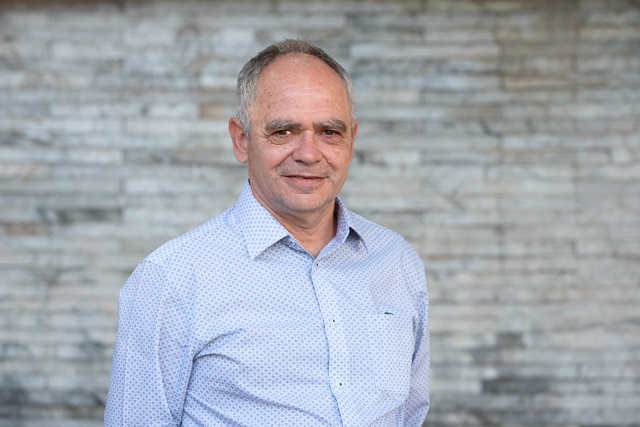
Stephen Coertze is the former executive director of the Wycliffe Global Alliance. This article is adapted from a presentation Stephen gave during a November 2025 meeting of Alliance organisation leaders from Scandinavia.
Top illustration: ChapGPT